For centuries, women’s hairstyles were dictated by rigid societal expectations, cultural conformity, and uniform beauty standards. Hair was often styled to signify social status, modesty, or age-appropriate decorum. However, as contemporary culture embraces individuality and functional aesthetics, hair styling has transformed from a passive grooming ritual into a sophisticated form of self-expression and personal architecture.
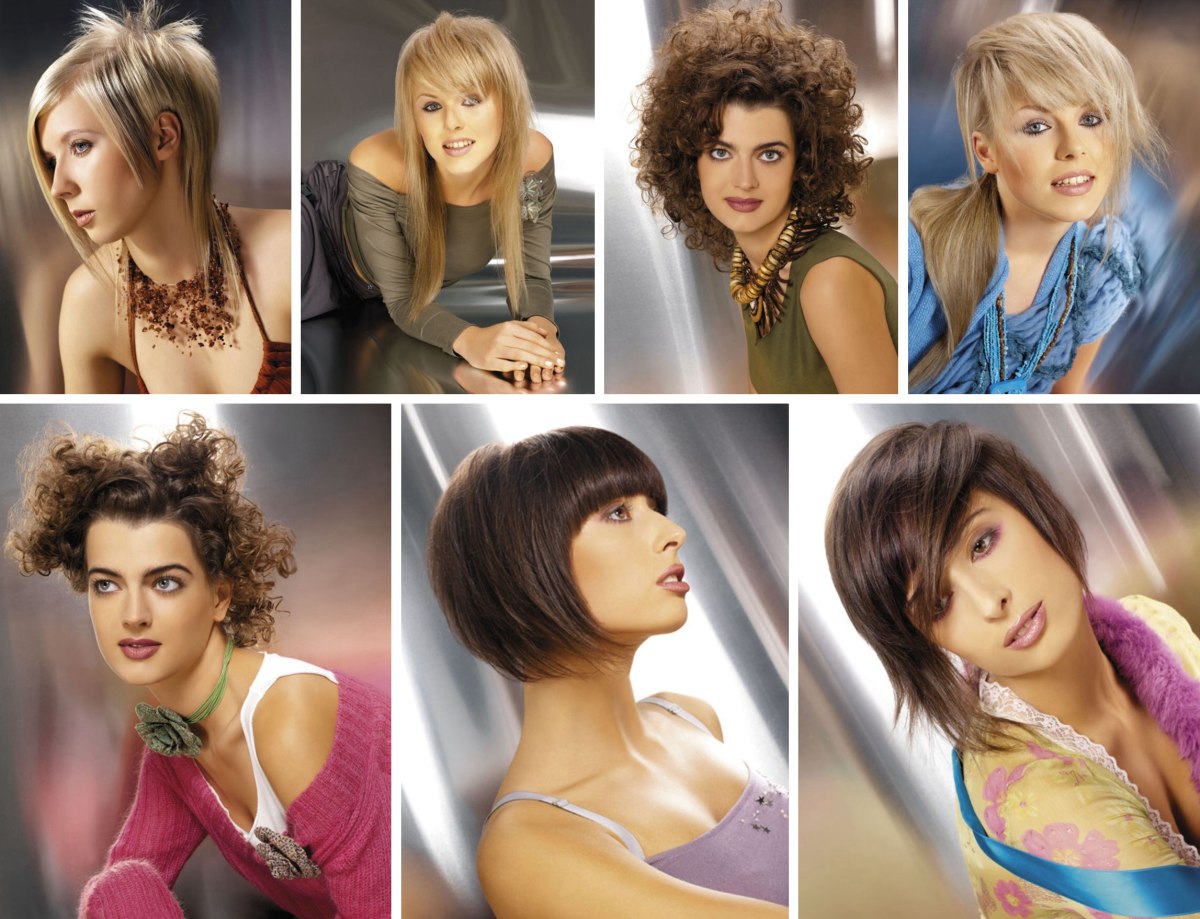
Modern women are moving away from one-size-fits-all trends and static magazine cutouts. Instead, today’s approach to hair design combines structural understanding of facial geometry, hair physics, low-maintenance lifestyle integration, and long-term scalp health. Understanding how to navigate cuts, textures, and styling techniques allows women to construct a look that enhances their natural features while reflecting their unique personal identity.
Face Shape Geometry and Tailored Cut Design
The foundation of any exceptional hairstyle lies in understanding structural geometry. Rather than forcing hair into shapes that conflict with natural facial bone structure, modern hair design uses lines, weight distribution, and layering to create visual balance.
Professional stylists evaluate facial balance through several key structural considerations:
- Oval Facial Structures: Possessing naturally balanced proportions, oval structures adapt effortlessly to almost any length, from ultra-short pixie cuts to flowing architectural layers.
- Square and Angular Features: Soft, fluid layers, textured curtain bangs, and side-swept movement help soften prominent jawlines and create visual softness around angular cheekbones.
- Round Facial Structures: Long bob variations (the “lob”), vertical layering, and asymmetrical cuts add perceived height and elongate facial contours, creating a structured aesthetic.
- Heart and Diamond Shapes: Chin-length bobs, textured fringe, and volume concentrated near the jawline help balance a wider forehead while highlighting sculpted cheekbones.
By treating a haircut as an individualized architectural blueprint rather than a rigid template, women can select styles that complement their natural features effortlessly.
Embracing Natural Texture and Low-Friction Styling
One of the most liberating shifts in contemporary hair culture is the move away from high-heat altering and rigid chemical straightening toward working in harmony with natural hair texture. Whether hair is pin-straight, wavy, curly, or coily, modern cutting techniques focus on enhancing natural movement rather than fighting against it.
Texturizing cuts—such as point cutting, dry cutting, and internal layering—allow hair to fall into place naturally without requiring hours of daily heat styling. For women with wavy or curly patterns, dry-cutting methods evaluate the natural bounce and contraction of each curl cluster in its natural state, ensuring predictable weight distribution and movement.
This transition toward low-friction styling not only saves significant daily preparation time but also preserves the structural integrity of the hair shaft. By minimizing daily thermal exposure, hair retains its natural elasticity, moisture retention capacity, and healthy shine.
The Art of Low-Maintenance Color Engineering
Hair coloring has evolved far beyond full-head monochromatic dye applications that require touch-ups every few weeks. Today, sophisticated color techniques focus on longevity, dimension, and seamless regrowth cycles.
Modern techniques such as balayage, micro-babylights, and shadow roots create lived-in, dimensional color palettes that age gracefully over time. By keeping the natural root tone intact or blending it seamlessly with soft highlights, women can enjoy vibrant, dimensional hair color without being bound to frequent salon visits.
Furthermore, color selection is tailored precisely to skin undertones. Warm golden highlights enhance olive and deep complexions, while cool ash, sandy blonde, or rich espresso tones complement cooler undertones. This custom color engineering ensures that hair color brightens the complexions naturally, reducing the reliance on heavy cosmetic products.
Scalp Wellness as the Foundation of Hair Health
No hair design, regardless of how expertly cut or colored, can look its best without a healthy foundation. Modern hair care recognizes that vibrant hair is a direct byproduct of a healthy scalp environment.
The shift toward hair wellness has brought scalp care to the forefront of women’s hair care routines. Exfoliating scalp treatments, microbiome-friendly shampoos, and targeted nourishment oils help clear follicle buildup, maintain optimal pH levels, and encourage healthy blood circulation to the root.
Protecting hair from environmental stressors—such as UV radiation, hard water mineral deposits, and urban pollution—has also become a priority. Integrating protective leave-in serums, silk sleep accessories, and heat protectants ensures that the outer cuticle layer remains smooth and resilient against mechanical damage.
Conclusion
Hair style for women is no longer about adhering to fleeting fashion mandates or spending hours battling natural hair patterns in front of a mirror. It is an evolving craft that merges geometry, natural texture, and hair science to create effortless, empowering looks. By choosing cuts tailored to personal bone structure, embracing natural texture, investing in low-maintenance color strategies, and prioritizing scalp wellness, every woman can cultivate a signature look that feels uniquely hers—enhancing both her outer appearance and her daily confidence.