The fashion world has long been a theater for the bizarre, the beautiful, and the provocative. However, few moments in recent history have sparked as much polarized debate, genuine unease. And intellectual curiosity as Gucci’s “Nightmarish” showcase in Milan. Under the creative direction that favors the eccentric and the uncanny. The Italian powerhouse transformed the runway into a space that felt less like a traditional catwalk and more like a fever dream or a psychological thriller.
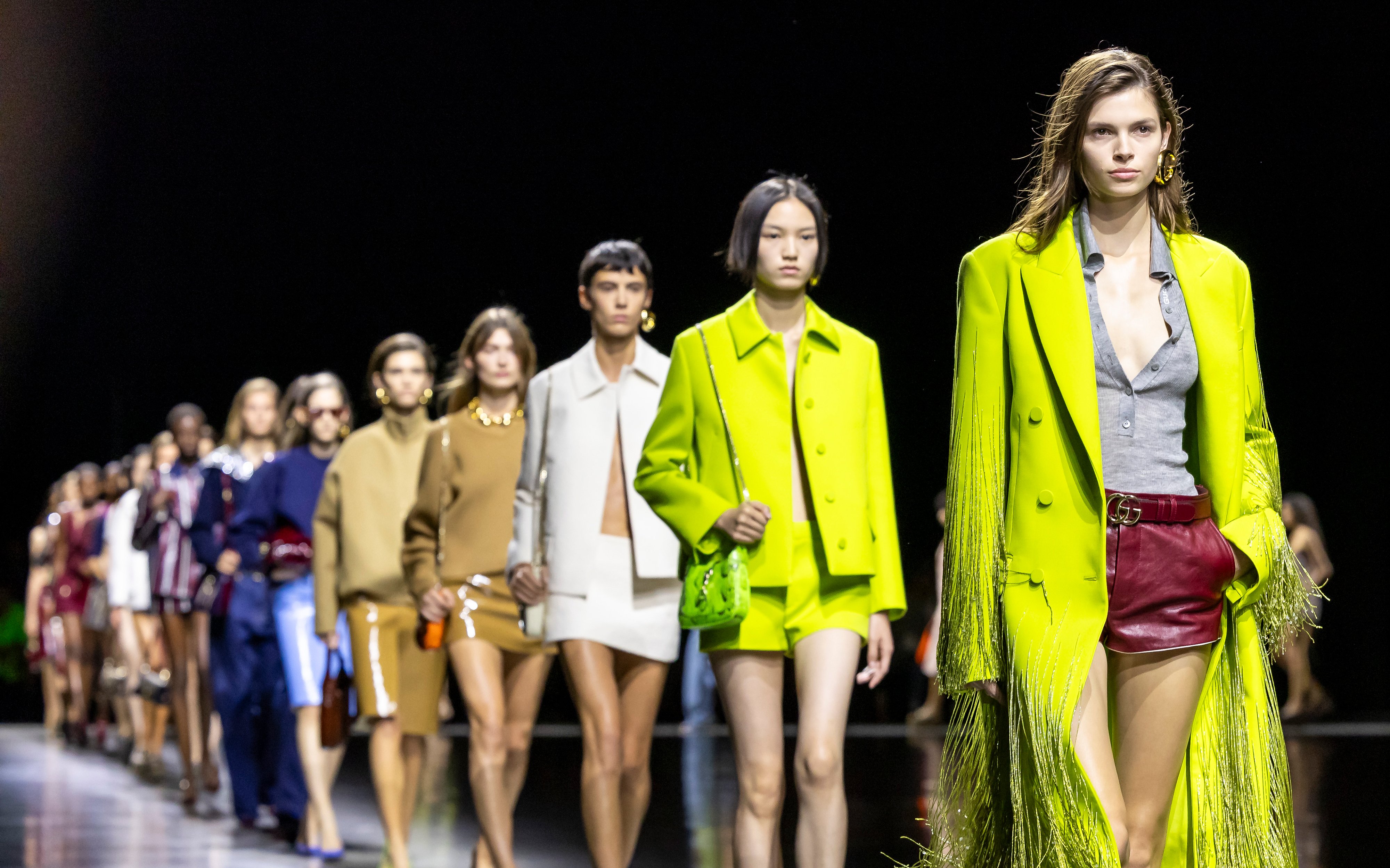
This particular show was not merely about clothing; it was an exploration of identity, the human psyche. And the thin line between the avant-garde and the disturbing. By leaning into “nightmare” aesthetics, Gucci challenged the very definition of luxury, replacing traditional glamour with a haunting. Clinical and sometimes grotesque vision of the future.
Setting the Scene: The Clinical Atmosphere
The discomfort began long before the first model stepped onto the runway. The set design for the show rejected the opulence one usually associates with Milan Fashion Week. Instead, guests were ushered into a space that resembled a sterile, high-tech laboratory or a psychiatric ward. With flickering fluorescent lights, cold surgical surfaces. And an ambient soundscape of industrial drones and rhythmic heartbeats, the atmosphere was thick with tension.
This clinical backdrop served a specific purpose. It stripped away the “romance” of fashion, forcing the audience to focus on the raw. Often unsettling nature of the garments and the way they were presented. The setting acted as a canvas for a collection that sought to deconstruct the human form and the social “straightjackets” that govern our lives.
The Uncanny and the Grotesque: Visual Highlights
What truly earned this show its “nightmarish” reputation were the visual elements that bordered on the surreal. Gucci has never shied away from the strange, but this show took it to a visceral level.
1. The Hyper-Real Prosthetics
Perhaps the most famous—and unsettling—images from the show involved models carrying hyper-realistic replicas of their own heads. Crafted with meticulous detail, these silicone props were indistinguishable from the models themselves, creating a jarring “uncanny valley” effect. This was not just a stunt; it was a profound commentary on self-perception, cloning. And the way we “carry” our identities in a digital age.
2. Mythological and Biological Horrors
In addition to the severed heads, models appeared with third eyes embedded in their foreheads or carrying realistic baby dragons and chameleons. These elements drew from “Cyborg Manifestos” and mythological lore, suggesting a world where biology is fluid and the monstrous is integrated into the everyday. The sight of a model in a high-fashion gown calmly cradling a mythological beast created a cognitive dissonance that left many viewers feeling deeply unsettled.
3. The Straitjacket Aesthetic
The clothing itself often referenced themes of restraint. The show opened with a series of models moving down a conveyor belt, dressed in utilitarian, off-white garments that closely resembled hospital scrubs or straitjackets. This was a bold, controversial move that addressed the idea of social conditioning and the “policing” of the body. While some critics found it insensitive, the brand argued it was a critique of the systems that limit human expression.
The Philosophy Behind the Nightmare
Why would a luxury brand choose to be “scary”? For Gucci, the nightmare is a tool for liberation. By embracing the things that scare us or the parts of ourselves that feel “monstrous,” we can break free from the pressure to be perfect.
The collection was heavily influenced by the concept of the “Cyborg”—a creature that is neither fully human nor fully machine, neither male nor female. In this “nightmare,” the traditional binary rules of society are broken down. The show suggested that in a world where we can be anything, the “monsters” are actually the most authentic versions of ourselves. It was a celebration of the hybrid, the misunderstood, and the “other.”
The Industry’s Reaction: Art or Alienation?
The fallout from the show was immediate. On social media, the images of the severed heads went viral, sparking a wave of memes, horror, and fascination. Some fashion purists argued that the spectacle had overshadowed the craftsmanship of the clothes, claiming that fashion should remain a source of beauty rather than anxiety.
However, many cultural critics hailed the show as a masterpiece of performance art. In an era where fashion shows are often criticized for being “safe” or designed solely for Instagram likes, Gucci’s willingness to alienate its audience was seen as a brave return to the provocative roots of high fashion. It proved that a runway could still be a place for deep philosophical inquiry and genuine emotional impact, even if that emotion was fear.
The Lasting Legacy of the Milan Showcase
Gucci’s nightmarish vision did more than just shock the audience; it shifted the trajectory of contemporary style. It paved the way for “ugly chic” and the rise of the “weird girl/boy” aesthetic that has dominated street style and digital culture in recent years. It gave permission to other designers to explore darker, more complex themes without the fear of being “unmarketable.”
Beyond the aesthetic influence, the show sparked important conversations about the ethics of representation and the use of sensitive imagery in commercial spaces. It remains a case study for marketing students and fashion historians alike on how to use shock value to reinforce a brand’s intellectual identity.
Conclusion
Gucci’s Nightmarish Milan Fashion Show will be remembered as a landmark moment when the runway became a mirror for our collective anxieties. By blending high-concept prosthetics, clinical set design, and philosophical subtext, the brand created an experience that was impossible to ignore.
While it may have been “nightmarish” in its execution, the show’s intent was ultimately hopeful: a call to embrace our complexities and the parts of ourselves that don’t fit into a neat, beautiful box. It reminded the world that fashion is at its best when it isn’t just showing us what to wear, but making us think about who we are. Even years later, the echoes of those flickering lights and the sight of those uncanny doubles continue to haunt and inspire the creative world.