From the dramatic sweep of a velvet gown to the rebellious cool of a leather trench coat, fashion in film is more than just costume. It is a powerful narrative tool that consistently shapes global style. Movies don’t just reflect the trends of an era. They often create them, turning actors into style icons and simple pieces of clothing into must-have wardrobe staples.
The symbiotic relationship between Hollywood and haute couture is a dynamic force. A visual shorthand that instantly communicates character, mood, and aspiration to millions worldwide. Understanding the influence of film fashion is key to decoding where today’s biggest trends originate.
The Golden Age: Establishing Eternal Icons
Long before the era of social media, cinema was the primary platform. For disseminating new looks and establishing eternal fashion standards. These films and their wardrobes have transcended time to become foundational reference points for designers today.
The Little Black Dress: Breakfast at Tiffany’s (1961)
No discussion of movie fashion is complete without mention of Audrey Hepburn’s iconic portrayal of Holly Golightly. The little black dress (LBD), designed by Hubert de Givenchy, was a simple, sophisticated column gown paired with pearls and oversized sunglasses.
- Influence: This moment solidified the LBD not just as a piece of formal wear, but as the ultimate symbol of timeless, effortless elegance and chic minimalism. It proved that sometimes, less is truly more, making the LBD a universal wardrobe essential for over six decades.
Androgyny and Menswear: Annie Hall (1977)
Diane Keaton’s character, Annie Hall, revolutionized women’s fashion by completely flipping the script on feminine dressing. Her look, which famously mixed oversized menswear—fedora hats, tailored vests, loose ties, and baggy trousers—was groundbreaking.
- Influence: Annie Hall popularized the androgynous aesthetic for women, championing comfort and personality over traditional notions of glamour. It gave women the license to borrow from the boys’ department and remains a perennial inspiration for the oversized, tailored trend seen on modern runways.
90s and Y2K: Defining Modern Pop Culture Style
The explosion of youth-focused cinema in the late 20th century created hyper-specific trends that are constantly being revived today through the lens of nostalgia fashion.
Plaid and Preppy-Punk: Clueless (1995)
Cher Horowitz’s digitally curated wardrobe was a cultural reset for teen fashion. Her bright yellow plaid skirt suit, mini backpacks, and knee-high socks blended a polished, preppy aesthetic with a playful, unapologetic teen spirit.
- Influence: Clueless cemented the preppy-punk revival and remains a primary reference point for the 90s aesthetic. Whenever coordinated separates, tartan prints, or high-fashion schoolgirl looks appear on the catwalk, the influence of Cher’s iconic closet is undeniable.
Neo-Gothic and Leather: The Matrix (1999)
The all-black, streamlined, utilitarian looks of Neo and Trinity offered a sharp, minimalist contrast to the maximalism of the time. Their long, dark leather or vinyl trench coats and skinny sunglasses became instant symbols of futuristic cool.
- Influence: The film spawned a massive trend in goth-chic and dystopian fashion, pushing black leather, severe tailoring, and a moodier, more minimalist aesthetic into mainstream style, a look that frequently returns to high fashion runways.
Modern Blockbusters: From Couture to Cultural Movement
Today’s films often feature wardrobes curated by world-renowned designers, turning them into high-budget fashion spectacles. These productions launch trends that are amplified globally almost instantly by social media.
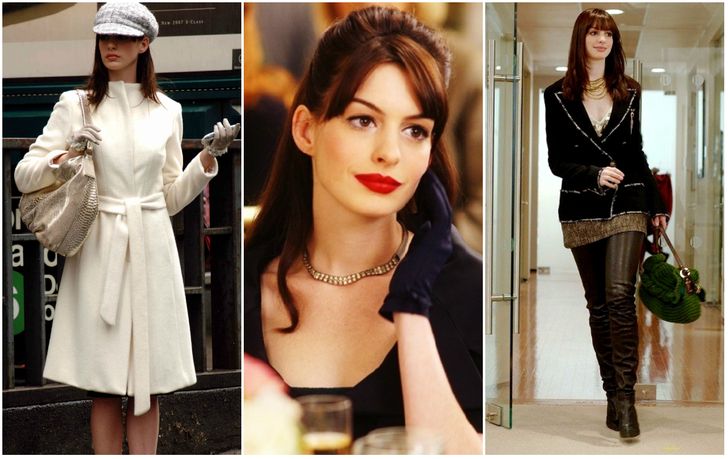
Corporate Power Dressing: The Devil Wears Prada (2006)
This film, set within the ruthless world of a high-fashion magazine, showcased an endless parade of designer pieces. Miranda Priestly’s flawless corporate wardrobe and Andy Sachs’ transformative journey from dowdy to designer-clad inspired a generation.
- Influence: The movie not only provided an insider look at fashion’s power but popularized the concept of “corporate chic.” It spurred an interest in luxury brands, statement coats, and the use of fashion as a tool for professional empowerment.
Technicolor and Thematic Dressing: Barbie (2023)
The film’s meticulously researched wardrobe, created by costume designer Jacqueline Durran, was a celebration of doll fashion, featuring high-saturation pinks, retro silhouettes, and playful accessories.
- Influence: Barbie directly fueled the global “Barbiecore” trend, creating a massive spike in the sales of hot pink items, roller skates, and 80s-inspired activewear. It demonstrated the power of a film’s aesthetic to create a cohesive, world-dominating cultural fashion movement.
Conclusion: Cinema as a Crystal Ball for Style
The trend on fashion in movies is not merely about character development; it’s a profound cultural dialogue. Costume designers act as fashion forecasters, creating looks that capture the zeitgeist and often predict future style movements.
From the quiet sophistication of a Givenchy gown to the loud statement of a pink jumpsuit, films have a unique ability to democratize and disseminate style, instantly translating haute couture concepts into wearable trends for the masses. The next time you see a style take off, remember that its inspiration was likely found where the lights were brightest: on the silver screen.