In the glamorous world of fashion and media, the term “stylist” is often used as a catch-all phrase. To the casual observer, it might seem like anyone with a good eye for clothes and a knack for matching colors falls under the same professional umbrella. However, for those looking to enter the industry or hire professional talent, understanding the nuances between different roles is crucial.
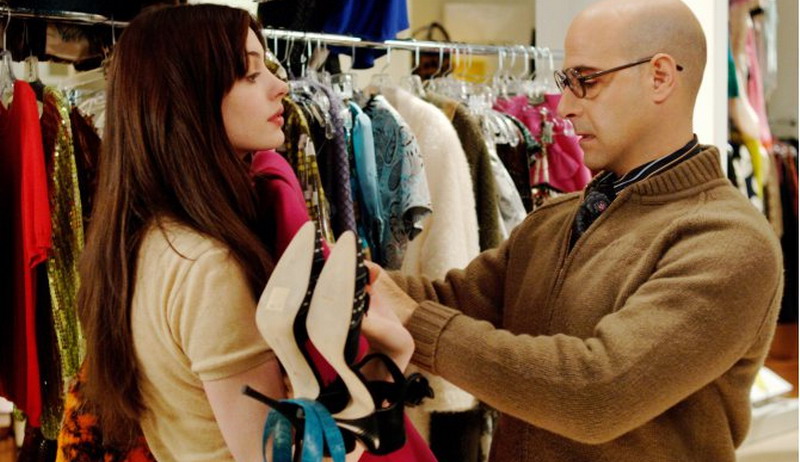
Two of the most frequently confused roles are the Wardrobe Stylist and the Fashion Stylist. While both professions require an impeccable sense of aesthetics and a deep knowledge of clothing, their objectives, work environments, and day-to-day responsibilities differ significantly. This article explores the distinct characteristics of each role to help you understand where these two paths diverge.
The Fashion Stylist: Creating the Vision
A Fashion Stylist is primarily concerned with the “image.” Their work is often found in the pages of high-fashion magazines (editorials), advertising campaigns, and lookbooks for designers. The goal of a fashion stylist is to tell a story or sell a concept through clothing.
1. Focus on Trends and Innovation
Fashion stylists are the gatekeepers of what is “cool” and “next.” They spend a significant amount of time researching upcoming trends, attending runway shows, and building relationships with PR showrooms. Their job is to take high-fashion pieces—often straight from the catwalk—and assemble them in a way that feels avant-garde, aspirational, and visually arresting.
2. Editorial and Artistic Expression
In an editorial setting, a fashion stylist works closely with photographers and creative directors. The outfits they curate might not be “wearable” in a traditional sense. They might use unconventional materials, dramatic silhouettes, or extreme layering to achieve a specific artistic vision. In this context, the clothing is a medium for art rather than just a functional garment.
3. Commercial Branding
When working on commercial shoots, a fashion stylist’s role is to ensure that a brand’s identity is clearly communicated. They select pieces that align with the brand’s target demographic, making sure the product looks as appealing and high-end as possible.
The Wardrobe Stylist: Mastering the Narrative
While a fashion stylist focuses on the “look,” a Wardrobe Stylist is often more focused on the “character” or the “individual.” Wardrobe stylists are most commonly found in the worlds of film, television, theater, and personal branding.
1. Character Development and Continuity
In the context of a film or TV production, a wardrobe stylist (often working within a larger costume department) uses clothes to help tell a story. They must ask: What would this character wear? Does this outfit reflect their social status, mood, or the time period?
A major part of wardrobe styling is “continuity.” If a character is wearing a specific shirt in a scene that takes five days to film, the wardrobe stylist must ensure that shirt looks exactly the same every single day. They manage thousands of pieces of clothing and keep detailed logs to ensure no mistakes happen between shots.
2. Functionality and Realism
Unlike the high-concept world of fashion styling, wardrobe styling often leans toward realism. The clothes need to look lived-in and appropriate for the setting. A wardrobe stylist might spend hours “distressing” a new jacket to make it look like it has been worn by a construction worker for ten years—a task a fashion stylist would rarely encounter.
3. Personal Styling and Celebrity Dressing
The term “wardrobe stylist” is also frequently applied to professionals who work with private clients or celebrities for red-carpet events and daily life. In this capacity, the focus is on the client’s body type, personal comfort, and public image. The goal is to build a functional, flattering wardrobe that works for the client’s real-world needs.
Key Areas of Divergence
To further clarify, we can look at the specific logistical differences that define these two careers.
The Source of the Clothing
Fashion stylists primarily “pull” clothes from PR agencies and designers on a loan basis. These items are typically samples and must be returned in pristine condition after the shoot. Wardrobe stylists, especially in film, often have a budget to “buy” or “build” (sew) the clothing. These items become the property of the production studio.
The Timeline of Work
Fashion styling is often project-based and fast-paced. A stylist might prep for two days, shoot for one, and then move on to a completely different project. Wardrobe styling for a production is a marathon. It involves weeks or months of prep, followed by long hours on set, managing the maintenance and organization of hundreds of outfits.
Success Metrics
For a fashion stylist, success is measured by the visual impact of the final image—did it get the cover? Did it go viral? For a wardrobe stylist, success is often measured by how seamlessly the clothes blend into the story. If the audience doesn’t notice the “costume” because it feels so natural to the character, the stylist has done an excellent job.
Overlapping Skills
Despite their differences, the two roles share a foundational DNA. Both require:
- Strong Networking: Building relationships with brands, tailors, and showrooms.
- Organizational Prowess: Managing logistics, shipping, and inventory.
- Visual Communication: The ability to translate an abstract idea into a physical outfit.
- Adaptability: The fashion and film industries are notoriously unpredictable; both roles require quick thinking under pressure.
Conclusion
In summary, the choice between a Wardrobe Stylist and a Fashion Stylist depends on the ultimate goal of the project. If the objective is to push the boundaries of art, set new trends, and create iconic imagery for a magazine, a Fashion Stylist is the expert for the job. Their world is one of high stakes, high glamour, and constant evolution.
However, if the objective is to build a character, maintain the visual integrity of a long-term production, or curate a functional life-long closet for an individual, a Wardrobe Stylist is the essential partner. They are the masters of narrative and the architects of personal identity.
Understanding these distinctions is not just about semantics; it is about respecting the unique skill sets and challenges that each professional brings to the table. Both roles are vital components of the visual landscape, ensuring that whether we are looking at a billboard or a movie screen, the story being told is beautiful, believable, and compelling.