For nearly two centuries, the photographs of women have been a powerful, often contentious, subject in visual culture. Historically, the female subject was often depict through the male gaze. Passive, ornamental, or idealized to conform to narrow societal standards. Today, a monumental shift is underway. Modern photography is moving away from objectification and toward empowerment, authenticity. And diverse representation, making the portrait of a woman a profound tool for self-discovery and social change.
This article delves into the contemporary trends that are challenging visual norms. And celebrating the strength, complexity, and unique stories of women across the globe.
1. The Ethical Lens: Shifting from Object to Subject
The most crucial evolution in modern photography is the shift in power dynamics behind the lens. The focus is no longer just on capturing beauty, but on conveying the subject’s inner world and agency.
- Co-Creation and Agency: Today’s empowering photoshoots are often a process of co-creation. Ethical photographers prioritize sincere dialogue, working with the woman to understand her personal narrative, comfort levels, and aspirations. This ensures the resulting image is an authentic reflection of her true self, rather than a manufactured fantasy.
- Challenging the Ideal: The current photographic trend actively rejects the singular, conventional standards of beauty often promoted by advertising and media. Photographers are celebrating diversity and uniqueness—from different body types and ages to various cultures and life experiences. The goal is to highlight resilience, character, and the strength that comes from lived experience, effectively turning the camera into a catalyst for self-love.
- Photovoice and Social Change: On a social level, participatory photography projects are giving cameras to women in marginalized communities. This “Photovoice” methodology allows them to document their own lives, challenges, and dreams, thereby challenging external stereotypes and providing a powerful visual platform for social activism.
2. Contemporary Aesthetic: Capturing Strength and Vulnerability
The visual language used to photograph women has transformed, replacing fragile poses with expressions of confidence, depth, and genuine emotion.
Power Poses and Posture
While classic, flattering poses still exist, modern portraiture introduces elements of power and assertiveness:
- The Unflinching Gaze: Direct eye contact with the camera is a common feature, conveying confidence, challenge, and connection. It forces the viewer to engage with the subject as an equal.
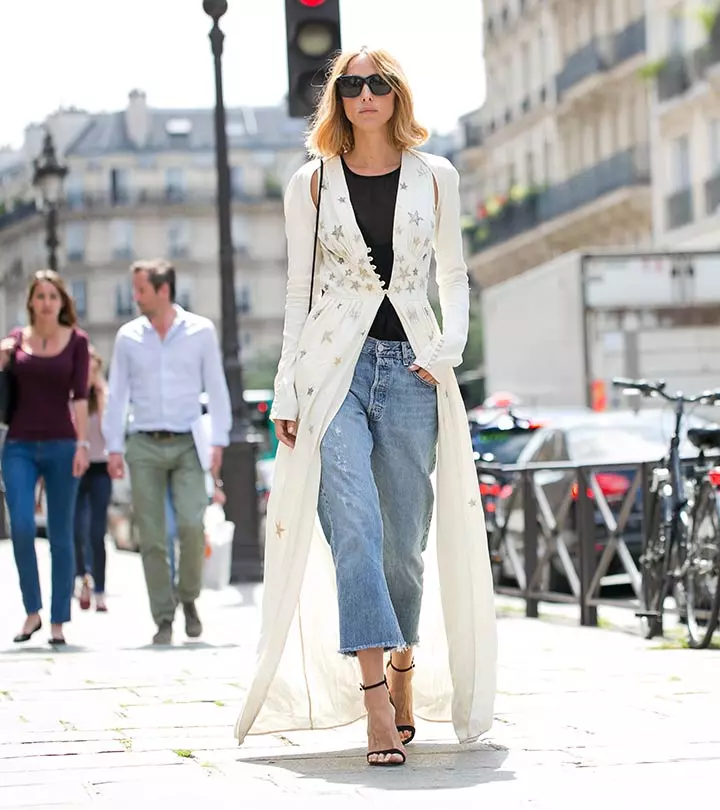
- Strong Lines and Stances: Poses that emphasize the body’s strength—hands on hips, feet firmly ground, or an active ‘walking away’ stance use to illustrate determination and forward momentum.
- Embracing Imperfection: Candid moments, genuine laughter, and even thoughtful, slightly melancholic expressions are valued over rigid, overly retouched perfection. These visuals tell a richer, more relatable story of the human experience.
The Role of Context and Environment
Location and lighting are used strategically to amplify the subject’s narrative:
- Environmental Portraits: Photographing women in a context that reflects their passion—such as an artist in her studio, an activist at a rally, or a business leader in her office—adds layers of meaning and immediately conveys their achievements and role in the world.
- The Goddess in Nature: Using natural, wild settings like forests, mountains, or coastlines creates a strong visual metaphor for resilience and the ancient, powerful connection between women and the Earth. This taps into the theme of the “Inner Goddess,” making the image an expression of primal, unbridled strength.
3. The Digital Impact: Photography and Feminist Art
Feminist art and photography have been intertwined since the 1960s, with artists like Cindy Sherman and Carrie Mae Weems using the medium to critique how women are seen. Today, the digital space continues this revolution.
- Intersectional Representation: Modern photography is highly focused on intersectional feminism, recognizing that a woman’s experience is shaped by race, class, sexuality, and ability. This has led to a rich explosion of photographic styles that prioritize diverse identities and challenge the previously white, able-bodied default.
- Body Politics and Self-Portraiture: The digital era has encouraged self-portraiture as an act of reclaiming one’s image. Women are turning the camera on themselves to explore identity, body politics, and sexuality on their own terms, providing a raw, unfiltered perspective that bypasses traditional gatekeepers.
Conclusion: The Heroine’s Image
Photographs of women are no longer simply portraits; they are powerful acts of self-affirmation, cultural commentary, and revolutionary storytelling. The modern movement emphasizes that the greatest beauty lies in a woman’s authenticity, strength, and unique journey. By choosing to work with photographers who respect her agency, and by embracing an image that speaks to her inner heroism, a woman takes ownership of her narrative, using the lens as a mirror to reflect her true, magnificent self to the world.